
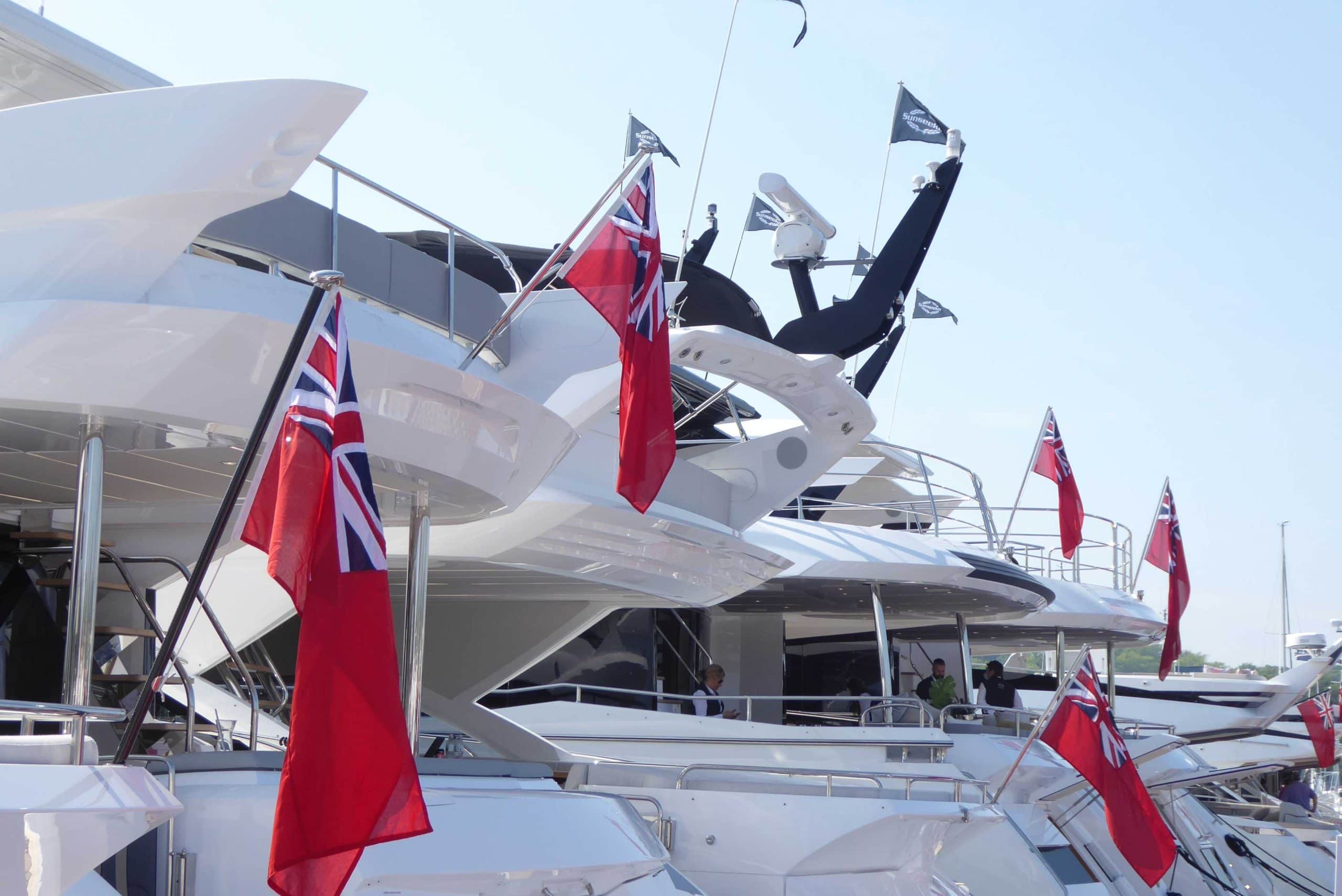
For superyacht owners, family offices, and maritime investment committees, selecting a vessel's registry—or flag state—is one of the most critical structural decisions in marine asset management. A flag state determines not only the legal jurisdiction governing on-board operations, crew employment conditions, and safety standards, but also sets the baseline for European Value Added Tax (VAT) exposure, customs duties, and commercial charter viability.
As European tax authorities tighten enforcement surrounding territorial waters and place-of-supply rules, navigating options like **Malta vs. Cayman Islands vs. Marshall Islands**, evaluating **Private vs. Commercial registration**, and optimizing **Mediterranean Charter VAT** requires a rigorous, institutional approach to maritime capital defense.
1. Comparative Analysis: Premier Global Flag State Jurisdictions
Jurisdictional selection balances international legal standing, mortgage security for asset-backed debt financing, regulatory flexibility, and European port access.
| Flag State Jurisdiction | Regulatory & Legal Framework | EU Fiscal & Charter Operational Standing | Optimal Asset Profile |
|---|---|---|---|
| The Cayman Islands (Red Ensign) | British Common Law; Category 1 registry; global benchmark for mortgage security. | Non-EU flag. Operates under EU Temporary Admission (TA) for private vessels; requires local EU fiscal setup for commercial charters. | Trophy superyacht builds (>30m) requiring institutional bank financing, high resale liquidity, and Red Ensign protection. |
| Malta (EU Registry) | Full EU flag status; statutory commercial yacht code; advanced maritime administrative framework. | EU flag. Guarantees unrestricted cabotage across EU member states, streamlined VAT deferral, and direct charter licensing. | |
| The Marshall Islands | Non-EU international registry; highly flexible Yacht Engaged in Trade (YET) regime. | Non-EU flag. Offers specialized dual-use codes allowing private vessels to execute limited commercial charters in the EU. | Owners seeking confidential corporate holding structures and hybrid private/charter usage without full commercial conversion. |
2. Private vs. Commercial Registration: Operational Trade-Offs
Structuring a vessel under a private or commercial registry fundamentally dictates its fiscal treatment and operational freedom across European waters.
- Private Yacht Registration: Offers maximum privacy, reduced crew certification mandates, and zero commercial compliance overhead. However, non-EU flagged private yachts owned by non-EU entities must strictly operate under **Temporary Admission (TA)** rules—capping continuous EU stay at 18 months without triggering import VAT (typically 19%–22% of total vessel value). Furthermore, private vessels are strictly prohibited from generating commercial charter revenue.
- Commercial Yacht Registration: Converts the vessel into a commercial revenue-generating platform. Allows for full import VAT deferral upon entry into the EU and enables recovery of input VAT on fuel, shipyard refits, berthage, and operational management. In exchange, the vessel must comply with international safety codes (Commercial Yacht Code, ISM/ISPS standards), strict crew manning scales, and mandatory passenger limit thresholds (typically up to 12 charter guests).


