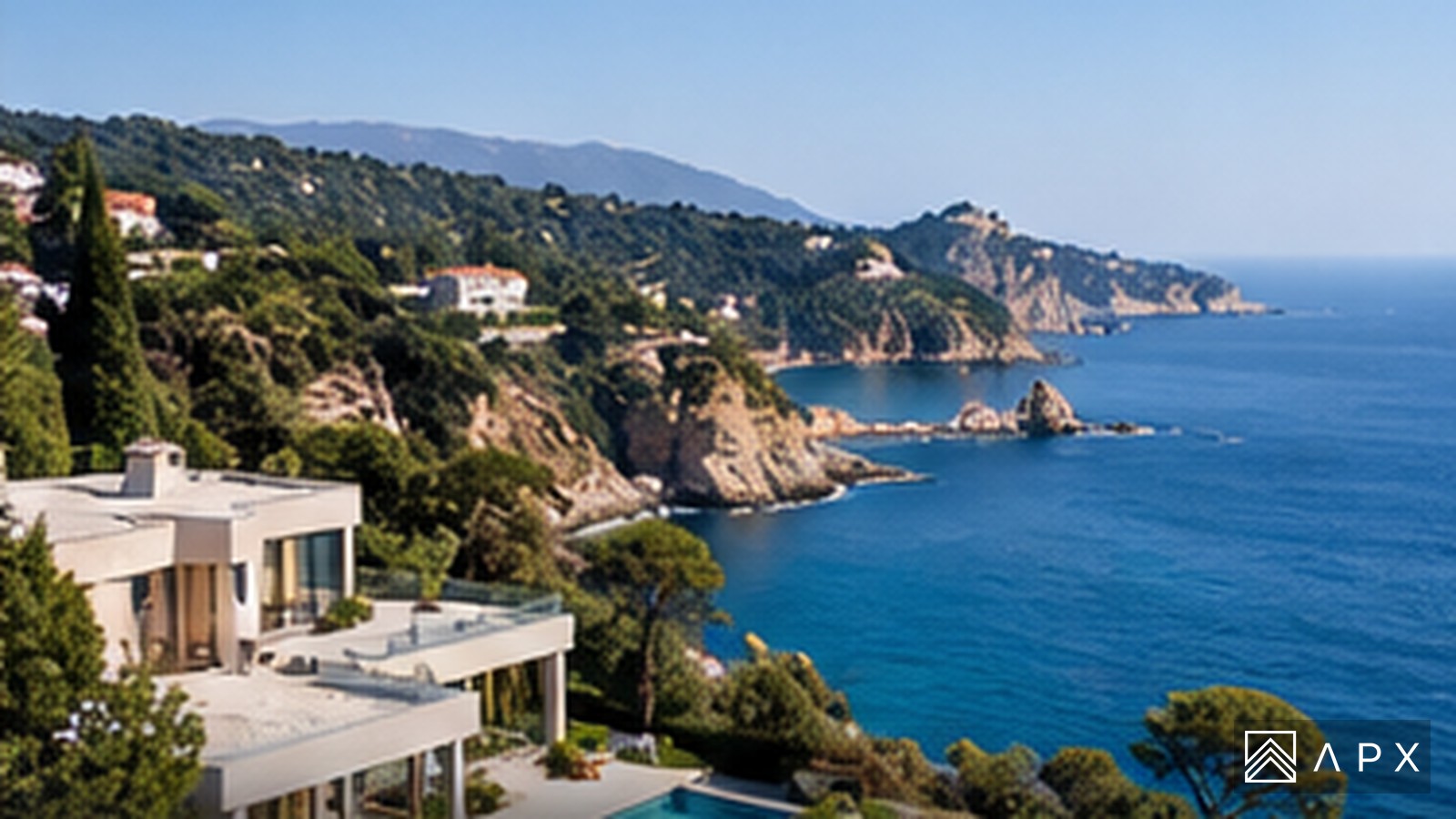
For UHNW families, the carrying cost of rarely occupied residences extends far beyond tax and utilities. APX examines staffing, insurance, maintenance, security and portfolio governance.
Executive Summary
A global property portfolio can look deceptively passive on a balance sheet. In practice, every residence is a small operating business. Even when empty, it requires insurance, inspections, environmental control, security, landscaping, systems maintenance, taxes, utilities, technology support and a local network of trusted contractors.
The cost becomes more complex when a family owns homes in several jurisdictions and uses each only intermittently. The central governance question is not simply what each property costs annually, but whether the portfolio has the systems to prevent small maintenance issues becoming large capital events while the owner is elsewhere.
Key Takeaways
- Unoccupied does not mean inactive. Water, power, HVAC, alarms, pools, lifts and landscaping continue to create risk.
- Replacement cost can diverge from market value. Bespoke construction and specialist finishes may cost far more to rebuild than a simple valuation implies.
- Local teams need central governance. Estate managers, contractors and security providers should operate under common reporting standards.
- Collections move the insurance problem. Art, jewellery, wine and vehicles may travel between residences and require separate records.
- Portfolio rationalisation is an operating decision. A rarely used home may consume disproportionate management attention even if its capital value is stable.
The Invisible Operating Company Behind Every Residence
For a principal who spends only a few weeks a year in a property, the residence still needs to be ready on arrival. That means staff scheduling, provisioning, HVAC, pool and garden maintenance, security testing, vehicle preparation and technology checks happen whether or not the owner is present.
The cost is therefore partly financial and partly organisational. A portfolio of four or five residences can create dozens of recurring vendor relationships, payment approvals and insurance renewals.
1. Insurance Should Follow Replacement Reality
High-value insurers distinguish replacement cost from simple market value. Chubb notes that bespoke materials, code requirements, specialist contractors and custom finishes can materially affect what it costs to rebuild a high-value home. That is particularly important for heritage properties or residences in locations with constrained labour and logistics.
2. Unoccupied and Vacant Are Not the Same
Insurers may distinguish between an occasionally unoccupied second home and a truly vacant property. Chubb’s guidance notes that policy definitions matter and recommends practical controls for homes that are not regularly occupied. The family office should know how each insurer defines occupancy and what inspection, heating, water or security conditions apply.
3. Water Is Often the Boring Risk That Becomes Expensive
A slow leak can cause extensive damage when nobody is present to see it. Automatic shut-off systems, environmental monitoring and regular inspections can be more valuable than cosmetic upgrades in protecting an intermittently occupied estate.
4. Build One Property Dashboard Across Jurisdictions
The family office should be able to see insurance renewal dates, staff, key vendors, alarm status, major maintenance, tax deadlines, capital projects and collection locations for every residence. Without consolidated reporting, each property becomes an island managed according to local habits.
5. Household Staff Are Part of the Asset Infrastructure
Estate managers, housekeepers, gardeners, drivers and security personnel preserve readiness and continuity. Clear authority, background screening, confidentiality and offboarding are therefore property controls as well as employment matters.
This overlaps with the security framework in APX’s UHNW Security Audits report.
6. Technology Creates Both Efficiency and Dependency
Remote CCTV, environmental sensors, access systems, smart HVAC and leak detection make global oversight easier. They also require secure administration, software updates and a fallback plan. A residence should remain operable if the preferred app, integrator or network connection fails.
7. Collections Should Not Disappear Between Homes
Art, wine, jewellery, watches and vehicles may move seasonally. The central inventory should record current location, insurance and any movement documentation. That becomes especially important when one residence is closed for an extended period.
8. When Does a Property Become an Operational Liability?
A residence may still be appreciating financially while consuming too much family-office attention. Useful measures include annual operating cost, capital expenditure, occupancy days, staff hours, emergency incidents and the number of executive approvals required.
The decision to retain or sell should therefore include management bandwidth as well as expected capital return. APX’s Off-Market Acquisitions report examines the private transaction environment relevant when trophy assets are eventually repositioned.
APX Perspective
The UHNW residence is not merely a property asset. It is an operational environment that must remain safe, insured and ready despite intermittent use. Families that centralise reporting while retaining trusted local execution can reduce both financial leakage and management friction across the portfolio.
Related APX Intelligence
Sources & Further Reading
APX Intelligence is provided for general informational purposes only and does not constitute property, insurance, tax, employment or legal advice. Requirements vary by residence, insurer and jurisdiction.