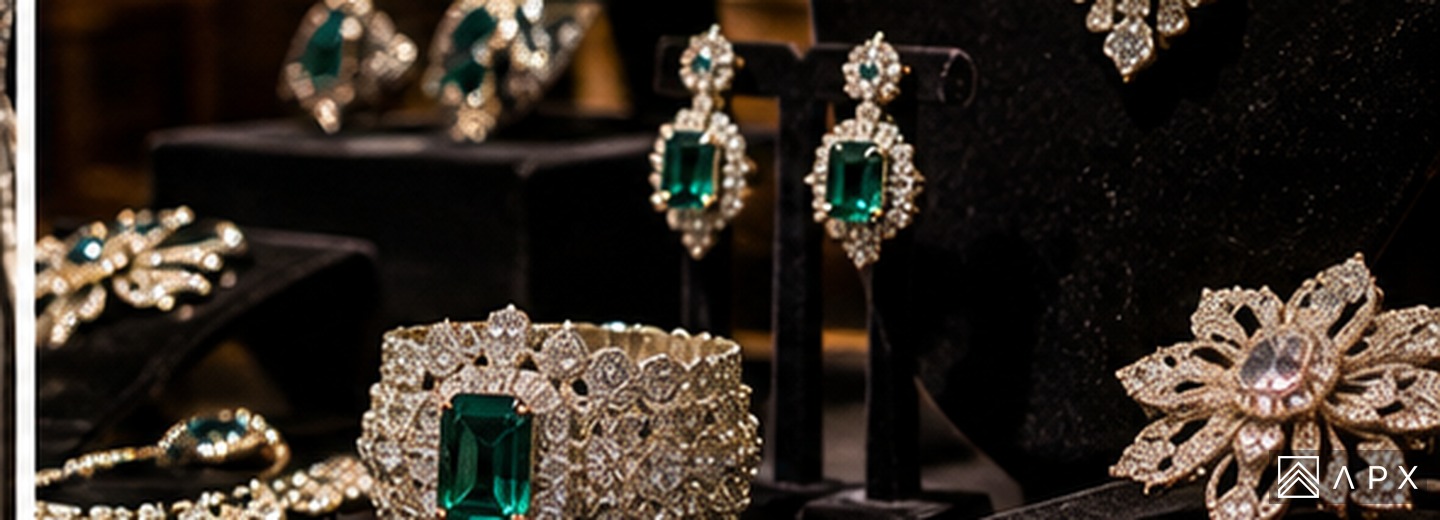
In high jewellery, the stones are only part of the value. A recognised maison, period, design language and provenance can turn material value into collectible value.
Executive Summary
A high-jewellery piece can be valuable for its diamonds, rubies or emeralds, but the secondary market often pays additional premiums for recognised signatures, iconic designs and important periods from houses such as Cartier, Van Cleef & Arpels and Bulgari.
Sotheby’s specialists describe the signature as a source of market resilience and liquidity for certain pieces. For a family office, that means jewellery diligence needs to examine both gemological value and art-historical attribution.
Key Takeaways
- Signed jewellery can command premiums beyond intrinsic stone and metal value.
- Not every signed piece is rare; mass-produced designs may trade mainly on brand and material.
- Period, design importance and condition can be as important as the signature itself.
- Hallmarks, maker marks, serial numbers and archival confirmation should be reviewed carefully.
- A major stone with a weak or altered setting can have a different market from an intact period jewel by a leading maison.
Intrinsic Value vs Collectible Value
An unsigned modern diamond jewel may be valued largely from the quality and weight of its stones and metal. A signed period piece can add a second layer of value: authorship, design history and collector demand.
Sotheby’s notes that signatures from houses including Cartier, Van Cleef & Arpels, Bulgari, Buccellati and Tiffany can command strong international premiums, particularly when the design is rare and characteristic.
Not All Signatures Are Equal
A familiar logo does not automatically create scarcity. The most collectible pieces tend to combine a recognised maker with an important era, exceptional craftsmanship, unusual stones, limited production or a documented commission.
Collectors should also distinguish original period signatures from later-added marks or replacement components. Archival research can be important for exceptional pieces.
Condition, Alteration and Restoration
Jewellery is often resized, repaired and reset over decades. Those interventions may improve wearability while reducing historical integrity. Before purchase, a specialist should assess whether major components are original and whether modifications are reversible.
Gemological reports remain essential for important diamonds and coloured stones. The brand premium should never replace independent assessment of the underlying gems.
Family-Office Custody and Insurance
High jewellery combines portability with very high value, creating obvious security risk. The collection should be scheduled individually for insurance, photographed, appraised periodically and stored in professional custody when not in use.
For pieces intended as long-term collectibles, archive-quality documentation and condition records can materially improve eventual resale.
APX Perspective
Signed high jewellery sits at the intersection of gemology, design and brand history. The strongest assets are not merely expensive stones with a famous name attached; they are coherent works whose maker, period, condition and provenance reinforce one another.
Frequently Asked Questions
Why does a signature matter?
It can authenticate the maker and connect the piece to a recognised design history, which may increase collector demand and liquidity.
Does signed jewellery always outperform unsigned pieces?
No. Stone quality, rarity, design, condition and purchase price remain critical.
Which houses are most recognised?
Collector demand is especially established for historic pieces by houses such as Cartier, Van Cleef & Arpels, Bulgari, Tiffany and Buccellati, among others.
Related APX Intelligence
Sources & Further Reading
APX Intelligence is editorial information only and does not constitute investment, legal, tax or financial advice. High-value physical assets can be illiquid, costly to insure and store, and may involve jurisdiction-specific legal or tax considerations.