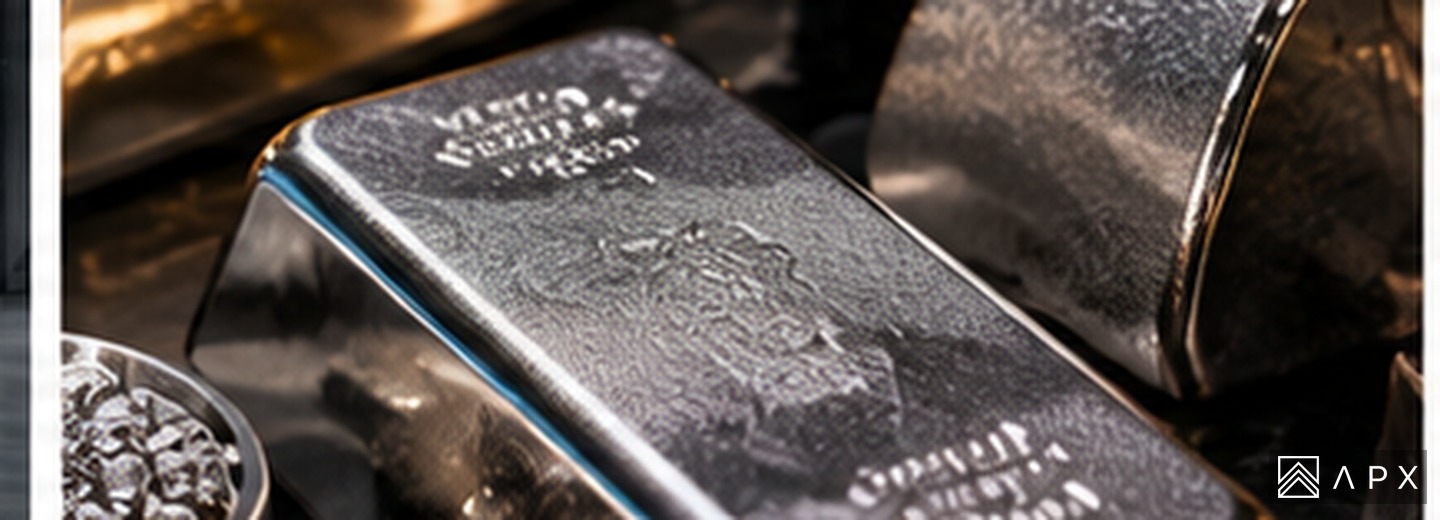
Platinum and palladium sit between precious-metal scarcity and industrial demand. For UHNW investors, that makes them very different portfolio tools from gold.
Executive Summary
Platinum-group metals can look attractive beside gold because they are scarce, physically compact and traded globally. Yet their demand profile is far more exposed to automotive and industrial cycles, substitution, recycling and technology shifts.
For a family office, the decision is therefore not simply “which precious metal is cheapest?”. It is whether the portfolio wants a defensive monetary asset, an industrial scarcity trade, or a tactical exposure to supply-demand imbalances.
Key Takeaways
- WPIC’s 2026 research shows platinum fundamentals can shift quickly between deficit and surplus as investment flows and industrial demand change.
- Platinum demand spans automotive, industrial, jewellery and investment uses.
- Palladium faces different substitution and automotive-transition dynamics from platinum.
- Physical holdings require specialist custody and recognised bar/refiner standards.
- These metals should generally be analysed as higher-volatility specialist exposures rather than substitutes for core gold reserves.
Why Platinum Is Different from Gold
Gold’s investment thesis is dominated by monetary demand, central-bank reserves, jewellery and wealth preservation. Platinum’s demand mix is much more industrial. Automotive catalysts, chemical processes, glass manufacture, jewellery and emerging hydrogen-related uses can materially influence the market.
That makes platinum capable of trading on very different signals from gold. A macro environment that supports safe-haven buying may not offset weakness in industrial demand, while a supply disruption can create tightness even when financial investors are cautious.
The 2026 Market Shows Why Forecasts Need Context
The World Platinum Investment Council’s 2026 outlook illustrates how quickly the balance can move. Its medium-term work still points to structural tightness, but quarterly forecasts can change as investment flows, automotive demand and macro conditions shift. That is precisely why a family office should avoid anchoring on a single deficit headline.
For palladium, the medium-term picture differs again. Substitution between platinum and palladium in autocatalysts, recycling supply and the pace of vehicle electrification all influence the outlook.
Physical Ownership and Market Access
Physical platinum and palladium are available through specialist bullion dealers and professional vaulting networks, but liquidity is narrower than the gold market. Families should assess acceptable refiners, bar sizes, bid-offer spreads, repurchase policies and whether the custodian has active market-making relationships.
The same ownership question applies as with gold: allocated title to specific bars is different from an unallocated metal account. Documentation and legal structure matter as much as the metal itself.
Where It Fits in a Family-Office Portfolio
Platinum-group metals can be useful as a satellite hard-asset allocation where a family has a view on scarcity, industrial demand or diversification. They are less convincing as a simple replacement for gold’s reserve-like role because their price drivers are more cyclical and sector-specific.
Position sizing should reflect that difference. A strategic gold reserve and a tactical platinum allocation may both be “precious metals”, but they solve different portfolio problems.
APX Perspective
APX would treat platinum and palladium as specialist hard assets rather than generic bullion. Their appeal lies in scarcity and differentiated demand, but that same industrial exposure can make them more volatile and thesis-dependent than gold.
Frequently Asked Questions
Is platinum rarer than gold?
Platinum is geologically scarce, but investment value depends on much more than rarity: demand, inventories, recycling and market liquidity all matter.
Can platinum be held in allocated form?
Yes, subject to the provider and product. Families should verify specific-title documentation and custody arrangements.
Is palladium still investable as vehicle technology changes?
It remains a traded precious metal, but automotive substitution and electrification are important long-term variables and should be incorporated into the thesis.
Related APX Intelligence
Sources & Further Reading
APX Intelligence is editorial information only and does not constitute investment, legal, tax or financial advice. High-value physical assets can be illiquid, costly to insure and store, and may involve jurisdiction-specific legal or tax considerations.