
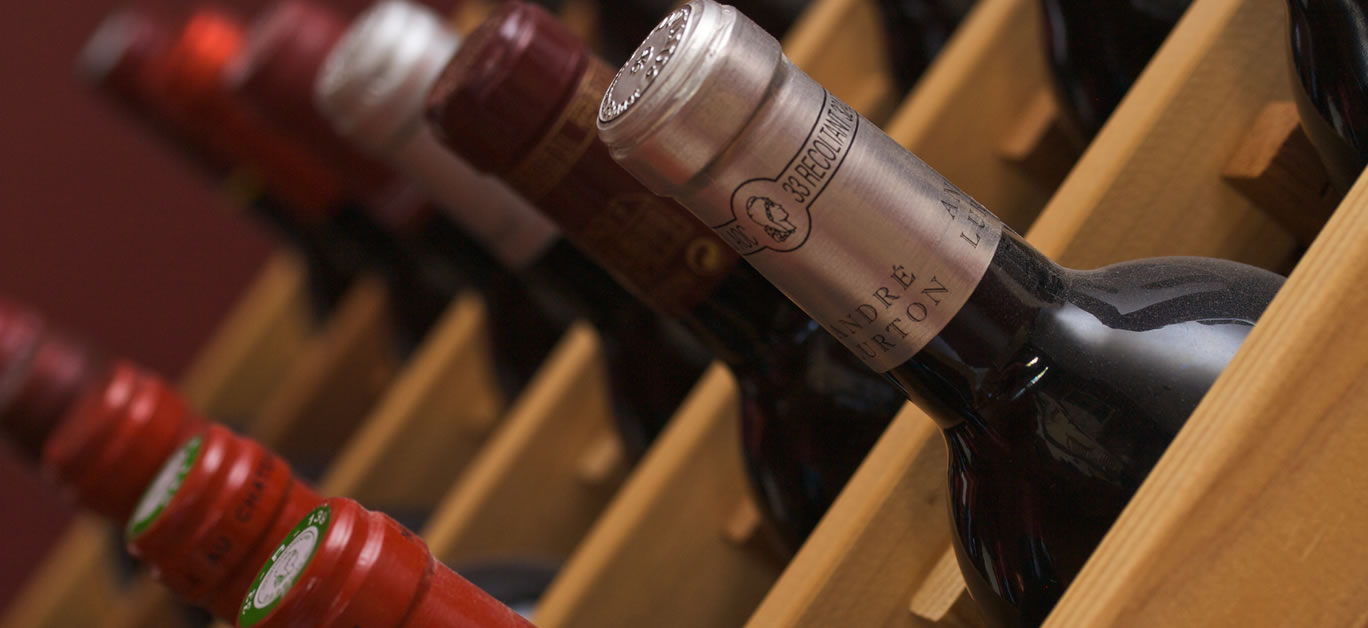
In the alternative asset spectrum, fine wine and rare spirits hold a unique position as non-correlated tangible assets. Unlike equity markets driven by corporate earnings, blue-chip wine and aged single-malt scotch derive value appreciation from a simple, immutable economic principle: shrinking supply paired with maturing quality over time.
As bottle inventory is consumed globally, remaining stock becomes increasingly scarce, creating structural tailwinds for long-term capital preservation.

1. Market Dynamics: Wine vs. Rare Spirits
| Asset Class | Primary Market Drivers | Maturation Characteristics | Target Investment Horizon |
|---|---|---|---|
| Fine Wine (Bordeaux/Burgundy/Champagne) | Vintage scores, producer prestige, climate yield variations, Liv-ex index demand. | Matures inside sealed glass; optimal drinking windows drive secondary auction pricing. | 5 to 10+ Years |
| Rare Whisky Casks & Bottles | Distillery pedigree, cask type (Oloroso Sherry/Bourbon), age statement, abv strength. | Matures only while inside oak casks; bottled spirits maintain fixed stability indefinitely. | 7 to 15+ Years (Casks) / 5 to 10 Years (Bottles) |


