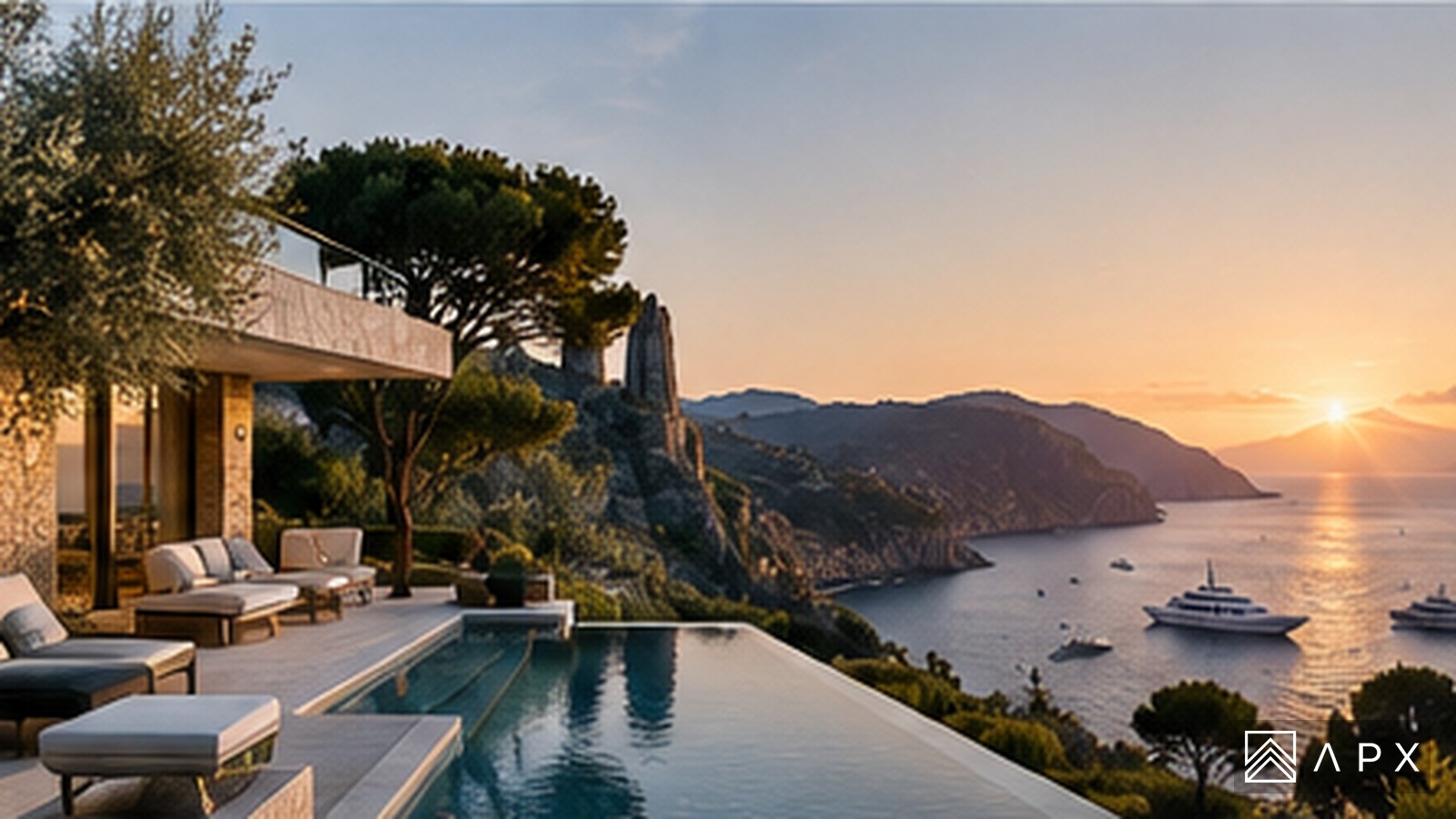
Branded residences are expanding rapidly across global luxury markets. APX examines the premium, service model, fees, resale questions and due diligence behind the badge.
Executive Summary
Branded residences have moved from a niche extension of luxury hotels into one of the fastest-growing segments of global prime property. Knight Frank’s 2026 survey assessed nearly 1,800 live and pipeline schemes across 90 countries and projects more than 1,000 schemes globally by the end of 2026.
For buyers, however, the central question is not whether the brand is prestigious. It is what the brand actually controls. A residence can range from a lightly licensed name attached to a development to a deeply integrated operating model in which the brand shapes design, service, amenities, staffing and long-term standards.
Key Takeaways
- The premium must buy something durable. Service, management, design standards and resale recognition matter more than the badge alone.
- Fees are part of the investment case. Hotel-style amenities can create substantial recurring service charges.
- Brand agreements can change. Buyers should understand what happens if the operator leaves or the licence ends.
- Rental programmes need separate analysis. Owner-use restrictions, revenue splits and management fees can materially affect economics.
- Resale liquidity is local. A global brand does not eliminate location, supply and market-cycle risk.
A Market Moving Beyond the Hotel
Knight Frank reports that the number of global branded-residence projects almost tripled from 354 schemes in 2015 to 903 by the end of 2025, with approximately 1,088 projected by the end of 2026. Hotel brands still dominate operating stock, but non-hotel names from fashion, automotive and lifestyle sectors are gaining share.
That expansion makes buyer due diligence more important, not less. The category now contains materially different products under the same “branded residence” label.
1. What Exactly Is the Brand Contracting to Do?
Some brands operate the building and resident services. Others influence design and standards while a separate manager runs the property. Some arrangements rely more heavily on licensing. Buyers should understand who employs staff, who controls service standards and who is responsible when performance falls short.
2. Is the Premium Attached to Place or Logo?
Knight Frank notes that Aman-branded homes at One Beverly Hills have been selling at an average of around $7,000 per sq ft, roughly 30% above local benchmarks. That is a powerful example of brand premium, but it should not be generalised automatically across markets.
A premium may be justified by scarcity, service and execution. It becomes harder to defend where competing branded projects proliferate, the local market is illiquid or the operating model is weak.
3. Service Charges Can Reshape the Holding Cost
Concierge, valet, security, wellness facilities, pools, private dining, beach clubs and hotel-grade staffing are expensive to operate. Buyers should review the service-charge methodology, reserve funds, escalation history and which amenities are subsidised by a hotel or shared commercial component.
4. What Happens if the Brand Leaves?
The management or licensing agreement should be reviewed alongside the purchase contract. How long is the brand committed? What termination rights exist? Can owners influence a replacement operator? What happens to branding rights and service standards after termination?
The physical apartment remains, but a material part of the purchase premium may have been attached to an operating relationship.
5. Rental Programme Economics
Some buyers value the ability to place a residence into a hotel-managed rental pool. The economics depend on owner-use restrictions, revenue splits, housekeeping, maintenance, furnishing standards, local taxes and the operator’s distribution power.
The right comparison is not gross nightly rate versus an unbranded apartment. It is net income after all programme costs and restrictions.
6. Resale and Buyer Depth
A recognised brand can improve visibility to international buyers, but resale still depends on location, supply and pricing discipline. A wave of new projects can dilute scarcity, particularly where multiple brands compete for the same mobile buyer.
APX’s Off-Market Acquisitions analysis is relevant here: the highest-value residential market often depends on buyer networks and discreet execution rather than public listing exposure.
7. Lifestyle Purchase or Investment?
For many UHNW families, the correct answer is both — but one motive should be primary. A buyer who values turnkey service and predictable standards may rationally accept a premium that would look unattractive in a pure rental-yield model. Problems arise when a lifestyle purchase is evaluated later as if it had been bought solely for financial return.
APX Perspective
The best branded residences solve an operational problem: they make owning a high-value home in another city or resort materially easier. The weakest rely on the brand to substitute for fundamentals. Buyers should therefore underwrite the building twice — first as real estate, then as a long-term service contract.
Related APX Intelligence
Sources & Further Reading
APX Intelligence is provided for general informational purposes only and does not constitute property, legal, tax or investment advice. Buyers should review local title, service-charge, management and rental documentation with qualified advisers.